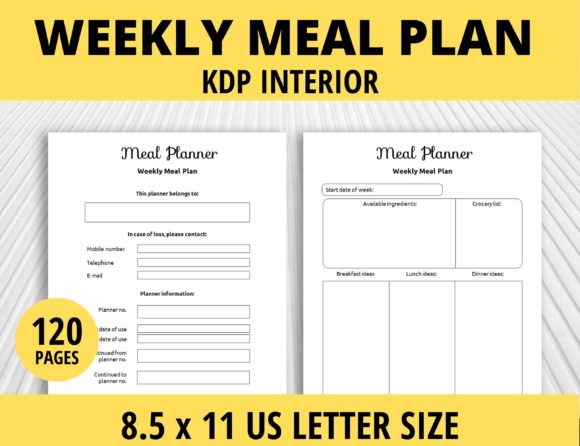
Weekly Meal Plan Planner: A Comprehensive Guide to Organizing Your Meals
Introduction
In today's fast-paced world, managing a balanced and nutritious diet can be challenging. A Weekly Meal Plan Planner is an invaluable tool that helps you organize your meals, save time, and reduce stress. This article will guide you through the purpose, significance, and practical applications of a weekly meal plan planner, providing you with the knowledge and tools to integrate it into your daily life.
Understanding the Weekly Meal Plan Planner
A Weekly Meal Plan Planner is a structured document or digital tool designed to help you plan and organize your meals for the week. It typically includes sections for breakfast, lunch, dinner, and snacks, along with space for notes, grocery lists, and preparation instructions. This planner can be used as-is or customized to fit your specific dietary needs and preferences.
Purpose and Significance
The primary purpose of a weekly meal plan planner is to streamline the process of meal planning and preparation. By having a clear plan in place, you can:
- Save time by reducing the need for last-minute decisions and shopping trips.
- Reduce food waste by purchasing only what you need.
- Maintain a balanced diet by ensuring you include a variety of nutrients.
- Stay organized and on track with your health and wellness goals.
Practical Relevance in Modern Life
Incorporating a weekly meal plan planner into your routine can have a significant impact on your daily life. Here’s how it fits into various aspects of modern living:
- Health and Wellness: Regularly planning your meals helps you make healthier choices and stick to your dietary goals, whether you are trying to lose weight, gain muscle, or manage a medical condition.
- Time Management: With a well-organized meal plan, you can prepare meals in advance, saving time during busy weekdays. This is especially useful for those with demanding work schedules or families.
- Budgeting: Planning your meals ahead of time allows you to create a more accurate grocery list, helping you stay within your budget and avoid impulse buys.
- Reducing Stress: Knowing what you are going to eat each day eliminates the stress of deciding what to cook, making your evenings more relaxed and enjoyable.
How to Use a Weekly Meal Plan Planner
Using a weekly meal plan planner is straightforward, but here are some steps to help you get started:
- Assess Your Needs: Determine your dietary requirements, preferences, and any restrictions (e.e., allergies, vegetarian, low-carb).
- Create a Menu: Plan your meals for the week, including breakfast, lunch, dinner, and snacks. Consider using a variety of recipes to keep things interesting.
- Make a Grocery List: Based on your menu, create a comprehensive grocery list. This will help you buy only what you need and avoid unnecessary purchases.
- Prepare in Advance: Set aside some time to prep ingredients or even entire meals. This can be done on a weekend or whenever you have free time.
- Review and Adjust: At the end of the week, review your plan and make any necessary adjustments. This will help you refine your process and make future planning easier.
Examples and Tips
Here are some examples and tips to help you get the most out of your weekly meal plan planner:
- Variety is Key: Include a mix of different cuisines and flavors to keep your meals exciting and prevent boredom.
- Batch Cooking: Prepare large batches of versatile ingredients (e.g., rice, chicken, vegetables) that can be used in multiple dishes throughout the week.
- Theme Nights: Assign themes to each night (e.g., Meatless Monday, Taco Tuesday) to simplify the planning process and add some fun to your routine.
- Flexible Snacks: Have a variety of healthy snacks ready to go, such as cut-up veggies, nuts, and fruit, to keep hunger at bay between meals.
Common Misunderstandings and Clarifications
There are a few common misunderstandings about weekly meal plan planners. Let’s address them:
- It’s Too Rigid: While a meal plan provides structure, it doesn’t mean you can’t be flexible. You can always make adjustments as needed based on your schedule or preferences.
- It Takes Too Much Time: Initially, setting up a meal plan might take some time, but it saves you time in the long run by reducing decision-making and preparation time.
- It’s Only for Experienced Cooks: Meal planning is beneficial for everyone, regardless of their cooking skills. Simple, easy-to-prepare recipes can be just as effective.
Integrating the Weekly Meal Plan Planner into Daily Activities
To seamlessly integrate a weekly meal plan planner into your daily activities, consider the following:
- Use Digital Tools: If you prefer digital solutions, there are many apps and online tools available that can help you plan, shop, and prepare your meals efficiently.
- Involve Family Members: Get your family involved in the planning process. This can be a fun activity and ensures that everyone’s preferences and needs are met.
- Set Reminders: Use reminders to help you stay on track with your meal prep and shopping. This can be as simple as setting alarms on your phone or using a calendar app.
Conclusion
A Weekly Meal Plan Planner is a powerful tool that can help you achieve a balanced and nutritious diet while saving time and reducing stress. By understanding its purpose, significance, and practical applications, you can effectively integrate it into your daily life. Whether you are a beginner or an experienced meal planner, this guide provides you with the knowledge and tips to make the most of your meal planning experience.
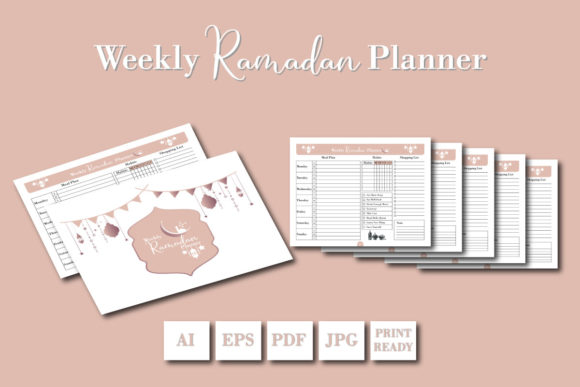
For more information and resources, you can download the Editable Source File EPS, High-quality JPG File, and PDF File with 120 Pages. These files can be resized to your desired trim size, making it easy to customize and use in various formats.