KDP Interior Unlined Journal Vol. 36: Strategic Implementation for Low-Content Publishing
Success in the Amazon KDP low-content and medium-content market is rarely about finding a single magic asset; it is about building a reliable, scalable production system. KDP Interior Unlined Journal Vol. 36 represents a specific node in that system, offering a standardized foundation for publishers who prioritize technical compliance and creative flexibility over reinventing basic formats. This interior file is not merely a blank canvas; it is a pre-validated production component designed to eliminate technical friction during the publishing process. For entrepreneurs, freelancers, and small business owners operating in the digital publishing space, understanding the strategic utility of this specific volume requires looking beyond the page count and examining how it fits into a broader portfolio strategy.
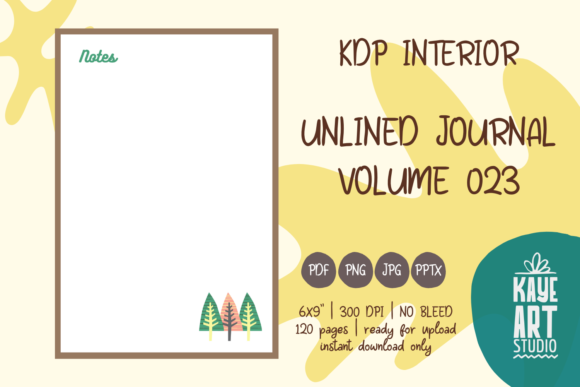
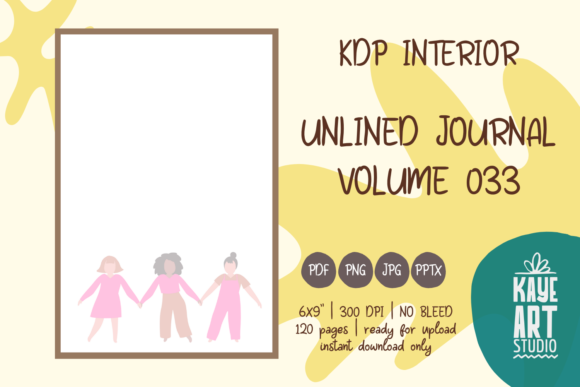
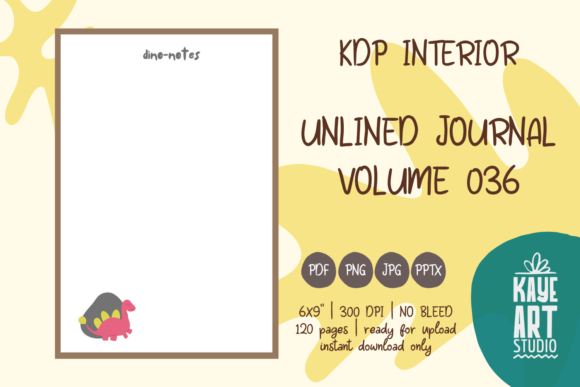
The primary value proposition of KDP Interior Unlined Journal Vol. 36 lies in its verified specifications. With a trim size of 6×9 inches, 120 pages, and confirmed no-bleed settings, this asset addresses the most common point of failure for new and intermediate publishers: formatting errors. By utilizing a file that has been explicitly tested on KDP, you reduce the risk of rejection notices that can stall momentum and damage account health. However, acquiring the file is only the first step. The strategic advantage comes from how you leverage this unlined format to serve specific audience needs while maintaining operational efficiency.
Technical Compliance as a Competitive Advantage
In an ecosystem where thousands of journals are uploaded daily, speed to market matters, but not at the expense of quality. Technical rejections create bottlenecks that compound over time. KDP Interior Unlined Journal Vol. 36 is engineered with precise bleed settings (No Bleed) and resolution standards (300 DPI) that align strictly with Amazon’s current printing requirements. This technical baseline allows you to shift your cognitive load from troubleshooting margins to developing superior cover designs and marketing strategies.
For decision-makers managing multiple SKUs, consistency is key to scalability. Using a standardized interior like Vol. 36 ensures that your production workflow remains predictable. When you know exactly how the interior behaves, you can template your cover creation process, streamline your keyword research for specific niches, and forecast royalties with greater accuracy. The availability of multiple file types—PNG, PDF, JPG, and PPTX—further enhances this operational flexibility, allowing you to integrate the interior into various design software ecosystems without conversion artifacts or quality loss.
Strategic Niche Selection for Unlined Formats
An unlined journal is a neutral tool, which makes it versatile but also potentially generic. To generate meaningful results with KDP Interior Unlined Journal Vol. 36, you must apply intentional niche positioning. Unlined pages appeal to distinct user segments compared to lined or dotted alternatives. Understanding these segments is essential for effective branding and customer satisfaction.
- Visual Thinkers and Creatives: Artists, designers, and architects often prefer unlined paper for sketching, diagramming, and mind mapping. Lines can constrain visual expression. Positioning this journal as a "Visual Thinking Companion" or "Concept Sketchbook" targets users who value freedom over structure.
- Mindfulness and Meditation Practitioners: In the wellness niche, unlined journals are frequently used for stream-of-consciousness writing, art therapy, or mandala creation. The lack of structure supports the psychological goal of releasing control and reducing anxiety.
- Project Planners and Strategists: Professionals who use non-linear planning methods, such as agile sprints or design thinking workshops, often require blank space to map out workflows, draw connections, and prototype ideas visually.
- Educators and Students: Specific subjects like geometry, organic chemistry, or geography require drawing shapes and structures that are difficult to execute on lined paper.
When utilizing KDP Interior Unlined Journal Vol. 36, avoid marketing it simply as a "notebook." Instead, align your metadata, title, and cover design with one of these specific use cases. The interior is the constant; the variable that drives sales is the context you build around it.
The Critical Role of Cover Design and Branding
It is imperative to understand that this listing provides the interior only. You are responsible for creating the cover, and this distinction is strategically significant. In the low-content category, the cover performs 90% of the sales work. Because the interior of KDP Interior Unlined Journal Vol. 36 is minimalist by nature, your cover must communicate value, quality, and relevance instantly.
Treat the cover as a strategic communication device rather than mere decoration. If you are targeting the mindfulness niche mentioned above, your cover should utilize calming color psychology, organic typography, and matte finish aesthetics. If you are targeting project managers, a clean, modern, professional aesthetic with strong contrast may perform better. The fact that you must create your own cover is actually an advantage; it prevents your product from looking identical to competitors using the same stock interior. Your unique cover design combined with this validated interior creates a proprietary product asset.
Furthermore, consider series branding. Since Vol. 36 is part of a larger collection, you can develop a cohesive visual identity across multiple volumes. This encourages repeat purchases and builds brand recognition. Customers who trust the quality of your previous journals are more likely to purchase future releases, increasing the lifetime value of each reader.
Operational Considerations and Risk Mitigation
While KDP Interior Unlined Journal Vol. 36 is designed to be "ready for upload," relying on any pre-made asset carries inherent risks if approached without due diligence. Strategic publishing requires verification and adaptation.
Verification Protocols
Even though files have been tested on KDP, platform specifications can change without warning. Before launching a campaign based on this interior, always download the latest KDP previewer tool and run a fresh validation check. Ensure that the 6×9 trim size and 120-page count match your current project settings exactly. A mismatch in page count between your cover and interior is a common error when switching between different volume numbers in a series.
Avoiding Content Duplication Issues
Amazon’s algorithms increasingly penalize duplicate content. While blank interiors are generally exempt from text-matching penalties, publishing hundreds of identical books with minor cover variations can trigger quality filters. To mitigate this risk, use KDP Interior Unlined Journal Vol. 36 as a base for differentiated products. Consider adding a unique title page, a dedication page, or a specialized introduction relevant to your niche. These small additions transform a generic commodity into a distinct product with unique metadata and perceived value.
Understanding Print Quality Limitations
Be realistic about what standard KDP printing can achieve. At 300 DPI, the files are high quality, but standard color printing on white paper has limitations regarding saturation and bleed-through. If your target audience intends to use markers or heavy ink, include a disclaimer or usage guide in your book description. Managing customer expectations proactively reduces negative reviews and returns, protecting your long-term profitability.
Integrating Interiors into a Long-Term Business Model
Sustainable success in digital publishing comes from treating individual assets as components of a larger business strategy. KDP Interior Unlined Journal Vol. 36 should not be viewed as a standalone opportunity but as a lever for efficiency within a diversified catalog.
Consider the data feedback loop. When you publish using this interior, track performance metrics specifically related to unlined formats versus lined or dotted variants in your portfolio. Does the unlined version convert better for art-related keywords? Do customers return for more unlined volumes? Use this empirical data to inform future acquisition and creation decisions. Perhaps you discover that unlined journals have a lower return rate because customers understand the format better upfront, or perhaps they require higher ad spend to explain the use case. These insights are invaluable for refining your overall business model.
Additionally, think about cross-promotion and ecosystem building. If you sell digital planners, printable worksheets, or online courses, KDP Interior Unlined Journal Vol. 36 can serve as a physical companion product. Bundling a physical journal with a digital course increases perceived value and provides a tangible touchpoint for your brand. The unlined format is particularly well-suited for this because it accommodates notes, sketches, and exercises related to almost any educational topic.
Making Intentional Decisions Over Random Uploads
The barrier to entry in KDP publishing is low, but the barrier to profit is strategic intent. Many publishers fail because they upload assets randomly, hoping for algorithmic luck. Using KDP Interior Unlined Journal Vol. 36 intentionally means having a clear hypothesis for every publication.
Before uploading, ask three strategic questions:
- Who specifically needs an unlined format for this topic? If the answer is "everyone," the niche is likely too broad. Drill down until you can identify a specific user persona.
- Does my cover design clearly signal "unlined" to the browser? Ambiguity kills conversion. Ensure the thumbnail communicates the interior type to prevent customer disappointment.
- How does this volume complement my existing catalog? Every new SKU should strengthen your overall brand position or fill a verified gap in your offerings.
By approaching KDP Interior Unlined Journal Vol. 36 with this level of strategic rigor, you move beyond the saturated "low-content" label and into the realm of purposeful publishing. The asset provides the technical reliability and format consistency necessary for scale, but your strategic application determines the ultimate outcome. Focus on solving real problems for specific audiences, maintain high standards for cover design and metadata, and continuously refine your approach based on market feedback. This disciplined methodology transforms a simple interior file into a sustainable business asset capable of delivering long-term results in a competitive marketplace.